Crafting delightful user Experience through emotional design
Crafting delightful user Experience through emotional design
Crafting delightful user Experience through emotional design
Crafting delightful user Experience through emotional design
Crafting delightful user Experience through emotional design
Crafting delightful user Experience through emotional design
Aug 2023
Have you ever had the experience of stepping into a Miniso store and feeling an instant rush of excitement? Miniso is a popular retail chain known for its wide range of products, including household essentials and beauty items, sold at affordable prices. The store greets you with a visually appealing display of organized products, making navigating and finding what you need easy. They have focused on creating an experience that is not just about buying things but leaving happy and satisfied, which is what emotional design is all about
Have you ever had the experience of stepping into a Miniso store and feeling an instant rush of excitement? Miniso is a popular retail chain known for its wide range of products, including household essentials and beauty items, sold at affordable prices. The store greets you with a visually appealing display of organized products, making navigating and finding what you need easy. They have focused on creating an experience that is not just about buying things but leaving happy and satisfied, which is what emotional design is all about
What is emotional design?
Emotional design is the practice of using design elements to evoke emotions in users, making the experience more enjoyable, memorable and satisfying.
Creating emotional connections with users can increase engagement and loyalty towards our products, creating a strong emotional bond. It is also a meaningful way to build a brand, as it produces an emotional connection with the user, which can lead to increased brand recognition and preference
What is emotional design?
Emotional design is the practice of using design elements to evoke emotions in users, making the experience more enjoyable, memorable and satisfying.
Creating emotional connections with users can increase engagement and loyalty towards our products, creating a strong emotional bond. It is also a meaningful way to build a brand, as it produces an emotional connection with the user, which can lead to increased brand recognition and preference
Tips for stimulating emotions through design
Here are some techniques I have learned for using design to elicit specific emotions:
Tips for stimulating emotions through design
Here are some techniques I have learned for using design to elicit specific emotions:
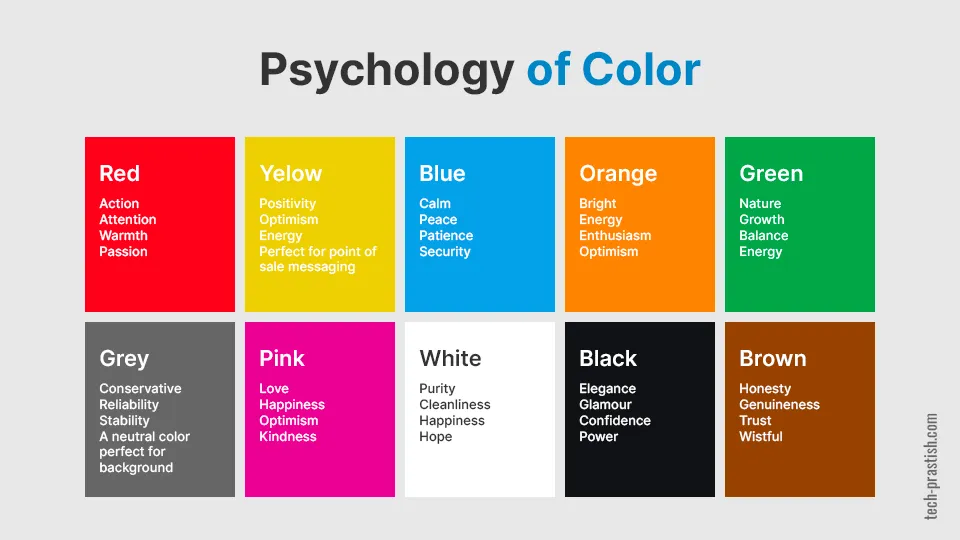
Colour Psychology: In design, different colours can evoke different emotions and affect human behaviour. For example, blue is often associated with trust, calmness, and stability, making it ideal for designs that require a sense of reliability, such as financial websites and healthcare applications.
Colour Psychology: In design, different colours can evoke different emotions and affect human behaviour. For example, blue is often associated with trust, calmness, and stability, making it ideal for designs that require a sense of reliability, such as financial websites and healthcare applications.
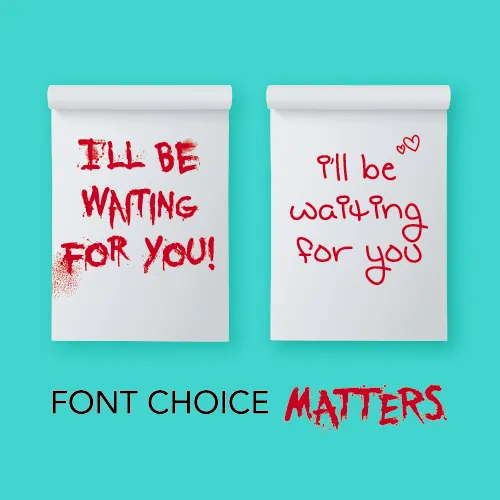
Typography: The use of typography in design can convey a message and evoke specific emotions. For instance, a playful font with round letters and a bouncy feel can produce happiness and a sense of fun, making it an excellent choice for designs aimed at kids or playful products. On the other hand, a sleek, modern font with clean lines and a minimalist feel can evoke sophistication and elegance, making it an excellent choice for designs that want to evoke a sense of luxury and prestige, such as high-end fashion or luxury goods.
Typography: The use of typography in design can convey a message and evoke specific emotions. For instance, a playful font with round letters and a bouncy feel can produce happiness and a sense of fun, making it an excellent choice for designs aimed at kids or playful products. On the other hand, a sleek, modern font with clean lines and a minimalist feel can evoke sophistication and elegance, making it an excellent choice for designs that want to evoke a sense of luxury and prestige, such as high-end fashion or luxury goods.
Storytelling: This is my favourite method. It’s a way to create an emotional connection with users and bring your brand to life. Every product, brand, and message has a story to tell, and that story can evoke a range of emotions in your customers, from nostalgia to aspiration.
For example, a brand might use nostalgic imagery and messaging to evoke feelings of comfort and familiarity, making users feel at home with the product.
Storytelling: This is my favourite method. It’s a way to create an emotional connection with users and bring your brand to life. Every product, brand, and message has a story to tell, and that story can evoke a range of emotions in your customers, from nostalgia to aspiration.
For example, a brand might use nostalgic imagery and messaging to evoke feelings of comfort and familiarity, making users feel at home with the product.
Imagery: The right images and graphics can bring about different emotions and create a desired mood. For instance, images of happy people smiling and laughing can evoke feelings of joy, positivity, and contentment. This makes it an excellent choice for designs that promote happiness and spread positivity, such as social media platforms or mental health apps.
Imagery: The right images and graphics can bring about different emotions and create a desired mood. For instance, images of happy people smiling and laughing can evoke feelings of joy, positivity, and contentment. This makes it an excellent choice for designs that promote happiness and spread positivity, such as social media platforms or mental health apps.
Conclusion
Remember that if you want your design to connect with users successfully, it must first connect with them emotionally. By tapping into users’ emotional responses, we can help improve engagement and loyalty and create a memorable and satisfying experience for the user, thereby strengthening the brand and building a lasting emotional bond.
Conclusion
Remember that if you want your design to connect with users successfully, it must first connect with them emotionally. By tapping into users’ emotional responses, we can help improve engagement and loyalty and create a memorable and satisfying experience for the user, thereby strengthening the brand and building a lasting emotional bond.
More Posts
Designing for Inclusion
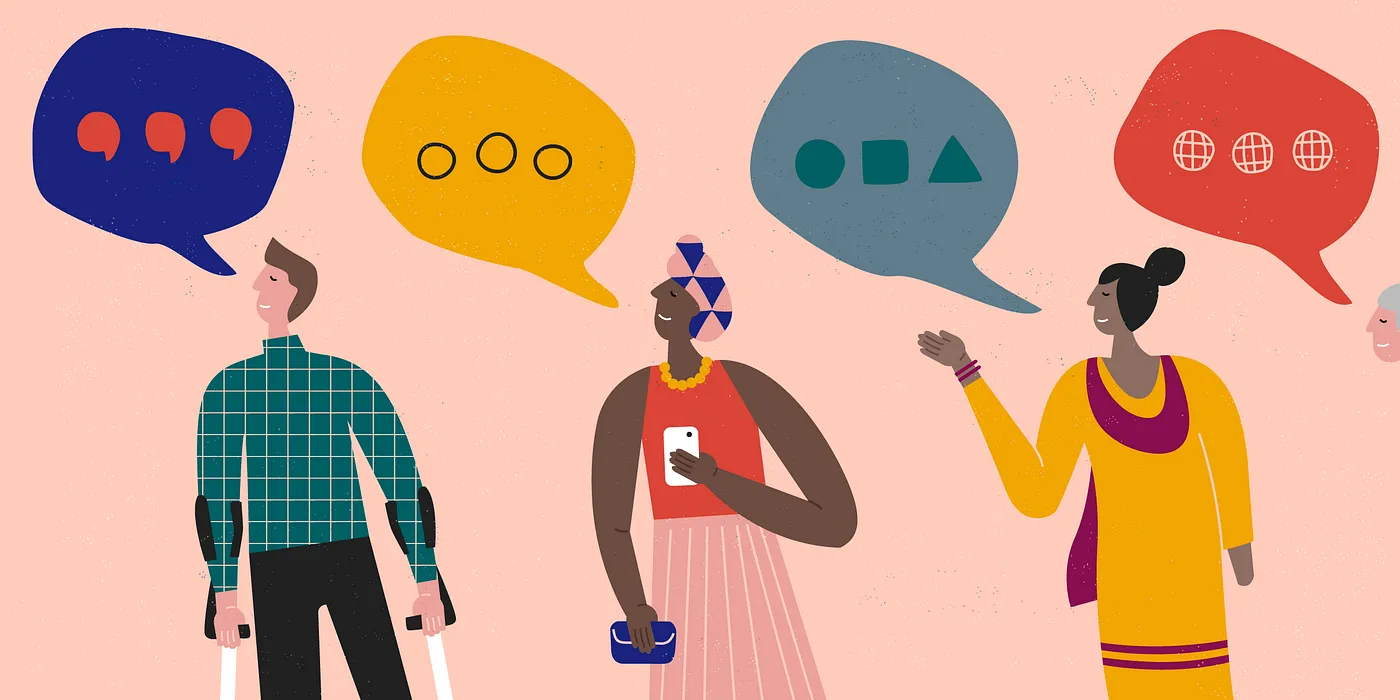
Accessibility in design is not just a trend or a regulatory checkbox; it's a fundamental aspect of creating inclusive digital experiences.

Designing for Inclusion
Accessibility in design is not just a trend or a regulatory checkbox; it's a fundamental aspect of creating inclusive digital experiences.
Designing for Inclusion
Accessibility in design is not just a trend or a regulatory checkbox; it's a fundamental aspect of creating inclusive digital experiences.
Designing for Inclusion
Accessibility in design is not just a trend or a regulatory checkbox; it's a fundamental aspect of creating inclusive digital experiences.
Designing for Inclusion
Accessibility in design is not just a trend or a regulatory checkbox; it's a fundamental aspect of creating inclusive digital experiences.
Designing for Accessibility: A UI/UX Designer's Guide
Accessibility in design is not just a trend or a regulatory checkbox; it's a fundamental aspect of creating inclusive digital experiences.

Designing for Accessibility: A UI/UX Designer's Guide
Accessibility in design is not just a trend or a regulatory checkbox; it's a fundamental aspect of creating inclusive digital experiences.
Designing for Accessibility: A UI/UX Designer's Guide
Accessibility in design is not just a trend or a regulatory checkbox; it's a fundamental aspect of creating inclusive digital experiences.
Designing for Accessibility: A UI/UX Designer's Guide
Accessibility in design is not just a trend or a regulatory checkbox; it's a fundamental aspect of creating inclusive digital experiences.
Designing for Accessibility: A UI/UX Designer's Guide
Accessibility in design is not just a trend or a regulatory checkbox; it's a fundamental aspect of creating inclusive digital experiences.
Minimalism in UI Design: More Than Just Aesthetics
The minimalist approach in UI design is often celebrated for its clean lines and uncluttered spaces, but it embodies much more than just a visual style.

Minimalism in UI Design: More Than Just Aesthetics
The minimalist approach in UI design is often celebrated for its clean lines and uncluttered spaces, but it embodies much more than just a visual style.
Minimalism in UI Design: More Than Just Aesthetics
The minimalist approach in UI design is often celebrated for its clean lines and uncluttered spaces, but it embodies much more than just a visual style.
Minimalism in UI Design: More Than Just Aesthetics
The minimalist approach in UI design is often celebrated for its clean lines and uncluttered spaces, but it embodies much more than just a visual style.
Minimalism in UI Design: More Than Just Aesthetics
The minimalist approach in UI design is often celebrated for its clean lines and uncluttered spaces, but it embodies much more than just a visual style.